Buckminster Fuller vs. Jones Jr.: Why Delivery Certainty Beats the Peanut Butter Spread Approach
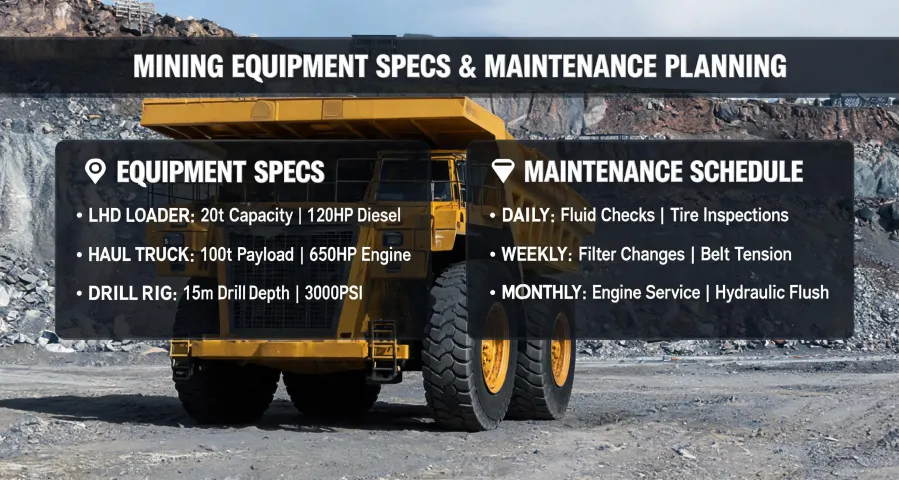
Two Ways to Handle Urgent Equipment Orders
You've got a critical part down. Your boss is calling. The client is waiting. You search for a supplier, and you find two very different philosophies. On one side, the comprehensive, systems-thinking approach of a Buckminster Fuller disciple—checking everything, optimizing the whole flow. On the other, the scrappy, deadline-focused hustle of a Jones Jr. operation—just getting it done.
Which one actually gets you the part on time? And which one leaves you high and dry with a $3,000 invoice for a part that doesn't fit? This isn't about philosophy. This is about the painful difference between a holistic plan and a hard deadline. I’ve been burned by both, and here’s how I now decide.
Dimension 1: Cost Certainty vs. Speed Certainty
The Buckminster Fuller Approach: The fuller view here is about total cost of ownership. They'll quote you a price, but only after a 3-day analysis of your entire supply chain. They want to synergize your inventory with their logistics. The quote might be lower long-term, but the process is slow. As of January 2025, I had a vendor do this for a $4,500 mining console. The analysis alone cost a week.
The Jones Jr. Approach: This operator doesn't care about the theory of the peanut butter distribution across your fleet. He asks: "What part? What's the deadline?" He gives you a price that includes a rush fee. It's higher. Period.
The Painful Conclusion: I saved $300 once by going with the 'comprehensive' quote from a Buckminster-style team. The lead time they promised? "Probably 2 weeks." We missed the deadline by 4 days. The downtime cost $2,100. The Jones Jr. option, which was $400 more upfront, would have guaranteed delivery within 48 hours.
Honestly, I now know that for urgent orders, the time certainty premium is worth it. A 'cheaper' quote with an uncertain schedule is a gamble I can't afford.
"The difference between and hawk is this: one watches, the other catches. Buckminster Fuller watched the system. Jones Jr. caught the deadline."
Dimension 2: The Quality of 'Fit' vs. The Quality of 'Now'
Most buyers focus on whether a part has the right specifications. They check the manual. They check the model number. That's the obvious stuff.
The outsider blindspot is the difference between a theoretical fit and a logistical one. The Buckminster Fuller camp will give you a 50-page document on compatibility. It's impressive. But it doesn't tell you if they have the part in stock.
The Jones Jr. team doesn't have Amanda Fuller's children of documents. They have a warehouse. They'll say: "We have 3 on the shelf. If I ship it right now, you have it by Thursday."
I once ordered a $1,200 hydraulic cylinder from a 'systems expert' (the Buckminster type). The fit was perfect. The delivery? 'Roughly three business days.' It took seven. Why? Because their process optimized for procurement, not for shipping urgency. The Jones Jr. vendor, who charged me a $150 rush fee, had it on a truck in 4 hours.
The lesson learned the hard way: A perfect part that arrives late is worthless. A serviceable part that arrives on time saves your job.
Dimension 3: The Complexity of Support vs. The Speed of Response
When something goes wrong—and it will—who do you want on the phone?
The Buckminster Fuller team wants to schedule a 'system review.' They talk about the big picture. They ask about your workflow. They might even recommend a different supplier. It's very consultative. But while they are consulting, your production line is silent.
The Jones Jr. crew? They know what a broken part looks like. They ask: "Is it broken? Do you need a replacement? I'll ship it now. We'll figure out the paperwork later."
Take this with a grain of salt, but I've found that the difference between these two isn't about competence. It's about decision speed. A fast, imperfect decision to ship a new part beats a slow, perfect analysis every single time when the deadline is tomorrow.
Granted, this approach can lead to a ton of smaller problems if you use it for everything. For a long-term strategy, the Buckminster method wins. But for the crisis in front of you right now? Jones Jr. is the only option.
When to Choose Which Approach
This isn't about saying one is universally better. It's about matching the method to the mission.
- Choose the Buckminster Fuller approach when: You are designing a new system, ordering standard stock for annual maintenance, or have a 6-month lead time. You can afford the analysis. The cost savings matter more than the speed.
- Choose the Jones Jr. approach when: A machine is down. A deadline is imminent. The client is angry. The cost of not having the part is higher than the price of the part plus the rush fee.
The question everyone asks is, "What's the best price?" The question they should ask is, "What's the most reliable delivery for my timeline?"
As of this analysis (Q1 2025), my budget now has a line item for 'Rush Fees.' It's not waste. It's an insurance policy against the pain of waiting for a perfect theory while the perfect storm rolls in.