Fuller: 7 FAQs for Buyers Confused by the Search Results
-
1. What does “Fuller” mean in my purchasing workflow?
-
2. Why do “how to grow fuller eyebrows” and “alexandra fuller books in order” appear?
-
3. Are “luna moth,” “divide,” or “costume ideas for 3 best friends” related?
-
4. How should I divide order volume among suppliers?
-
5. How do I know if a supplier is the right specialist?
-
6. What’s the practical next step when I search for Fuller parts?
-
7. Why does the search confusion matter for my buying process?
When I first started handling procurement for a 130-person industrial services company, I assumed that typing “Fuller” into a search bar would bring up the equipment parts I needed. It didn’t. It brought up eyebrow serums, author websites, and a moth. Three years later, I’ve learned that “Fuller” is less a keyword and more a traffic intersection. In the same week, I can search for a replacement gearbox, a supplier invoice, and a meeting-room booking system—and “fuller” still pulls up a different set of results every time. This FAQ is the one I wish someone had handed me on day one.
1. What does “Fuller” mean in my purchasing workflow?
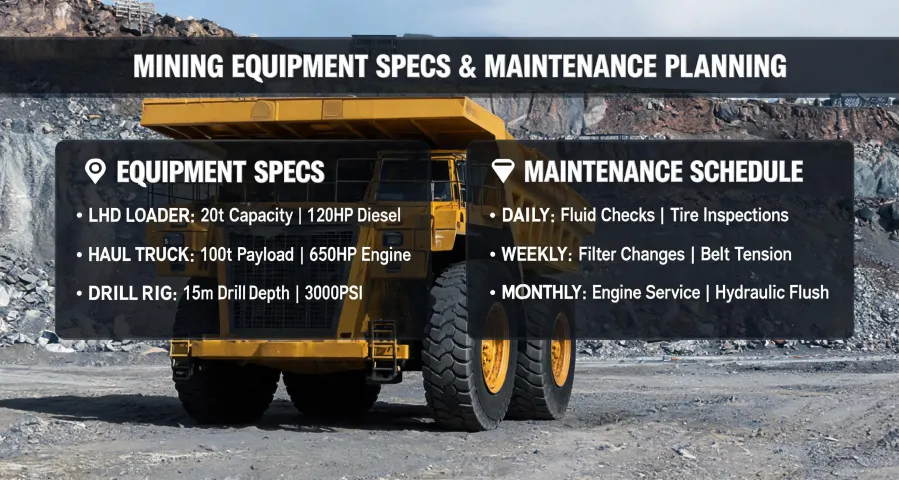
In my current role, I process about 80 orders a year across nine vendors. Fuller is the brand on a specific set of heavy-equipment components—gear boxes, transmission parts, crushing machinery components. It’s not a generic term. When I write a PO, I need the brand name plus the part number; otherwise I’m guessing. A “Fuller part” could mean a gearbox for a conveyor drive, a clutch assembly, or a component in a mill. The supplier who earns my trust asks for the complete spec and won’t claim that one universal product covers every application. That’s what I’d call a specialist. If you’re in energy minerals or material handling, you’re probably familiar with Fuller in the context of rotating equipment. If you’re not, you’re likely reading the wrong article.
2. Why do “how to grow fuller eyebrows” and “alexandra fuller books in order” appear?
Because search engines read intent weirdly. “Fuller” as an adjective means thicker. “Fuller” as a surname belongs to an author. Neither has anything to do with the component manufacturer. The most frustrating part is that these results don’t disappear when you add “equipment” unless you also add a product category. Use “Fuller transmission parts” or “Fuller gearbox supplier” and the noise drops fast. In my own searches, I avoid using “fuller” alone. I pair it with the exact item I’m sourcing, and I set a reminder in my quote log to include the application. That small habit cut my search time by maybe half.
3. Are “luna moth,” “divide,” or “costume ideas for 3 best friends” related?
No. I’m not 100% sure why Google thinks they belong together, but they don’t. Here are the unrelated searches that showed up when I targeted “Fuller”:
- A luna moth – a beautiful insect, but not an equipment component.
- “Divide” – a verb you might use in math, route planning, or supplier allocation, but not a Fuller product category.
- Costume ideas for 3 best friends – completely unrelated to heavy equipment.
If you’re researching a luna moth for a biology project, planning a group costume, or trying to divide a table into teams, you’re not looking for industrial components. Take this with a grain of salt: keyword tools mix contexts all the time. The useful move is to separate the search intent before you choose a content topic or a supplier. Context matters more than the raw query.
4. How should I divide order volume among suppliers?
I have mixed feelings about consolidating vendors. On one hand, fewer suppliers means fewer POs, simpler invoices, and less chasing. On the other hand, when my primary supplier had a 10-week lead time last year, the backup vendor saved a major project. So I divide volume deliberately: 70% to a primary specialist who knows the equipment, 30% to a backup who can act fast. Why divide at all? Because supply chain surprises happen. I ran a quote process for a gearbox replacement last fall. The primary supplier gave a 12-page spec and a realistic lead time. The backup found an exact cross-reference within 24 hours. A third vendor insisted “this will fit” without knowing our mounting configuration. That’s when I know to divide the list: qualified candidates get a shot; unqualified ones get a polite no. The checklist is straightforward: confirm the part match, confirm delivery date, confirm payment terms. In that order.
5. How do I know if a supplier is the right specialist?
Ask them what they don’t do. The vendor who said, “That’s not our strength—here’s a better option,” won my trust for everything else. Look, I’m not saying every generalist is a problem. But a generalist who overpromises is riskier than a specialist who knows limits. I used to think rush fees were just vendors gouging customers. Then I saw the operational reality of expedited service—staff pulled off other jobs, priority scheduling, overtime freight. So I focus on whether a supplier can explain their limits. Per FTC guidelines (ftc.gov), marketing claims have to be truthful and not misleading. I take that literally: if a supplier can’t show evidence of capability—part specs, references, lead times—I move on.
6. What’s the practical next step when I search for Fuller parts?
Start with the exact part number and application. If the part number is missing, don’t accept a supplier’s cross-reference on faith; ask for dimensions or a drawing. Then send the request to three vendors, not just one. Compare total cost, not list price. A part that costs $20 less today but arrives three weeks late is an expensive part. Small detail: for envelope-size documents like a customs declaration or a proof-of-delivery, the shipping method matters. According to USPS (usps.com), as of January 2025, a First-Class Mail letter costs $0.73 and a large envelope costs $1.50. That sounds minor, but in a multi-vendor procurement process, every fee adds up. If you’re handling more than a few orders a month, set up a simple vendor scorecard. Capture price, lead time, and invoice accuracy. That data will tell you which suppliers to keep and which to drop.
7. Why does the search confusion matter for my buying process?
Because it affects the quality of quotes you get. If I send a request with just “fuller” and my company name, I’ll get responses from every kind of vendor—including people who sell eyebrow products. That wastes my afternoon and the vendor’s time. The discipline of adding context—brand + part type + application—is exactly what makes a supplier list manageable. It’s also the difference between a specialist who knows their limits and a generalist who will promise anything. So yes, the confusion matters. It forced me to be more precise, and being more precise has saved me more than one painful procurement cycle.