We Sell Mining Equipment. Our Keyword List Said “Fuller Lips Makeup.” Here’s What I Learned.
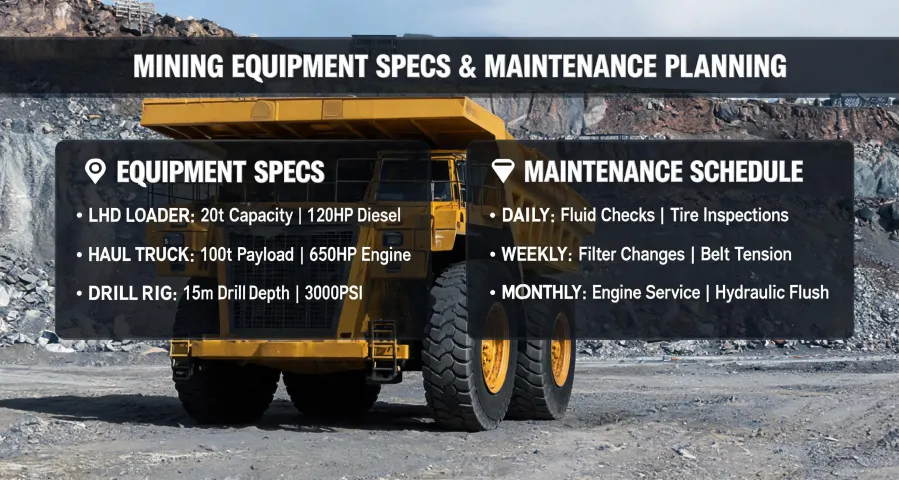
If your content plan for an industrial equipment company includes the phrase “fuller lips makeup,” stop the project and redo the keyword research. That exact term—along with “the peanut butter,” “tires,” and “how to get hair”—landed on my desk in 2022, and I almost let it cost us the entire quarter’s content budget. It didn’t, but only because a writer asked a question I never expected to hear from a mining equipment project: “For the lip plumper article, do you want a reader photo?” That’s when I learned how many different meanings one word can carry. Every keyword is a promise. If the page can’t keep that promise, don’t write it.
I’ve handled service orders for Fuller’s energy and mining equipment line for seven years. I’ve personally made—and documented—eleven significant mistakes, totaling roughly $24,000 in wasted budget. I now keep our team’s pre-approval checklist, and this keyword incident is the reason it exists.
The expensive lesson: “fuller” is not enough information
In September 2022, a content vendor presented a “high-opportunity” list. It looked neat: search volume, difficulty, opportunity score. Then I saw the actual terms:
- fuller
- will fuller transamerica
- fuller lips makeup
- the peanut butter
- tires
- how to get hair
I assumed “fuller” meant our brand. Didn’t verify the rest. Turned out “fuller” was also a cosmetics term, an NFL player’s name, maybe an insurance company connection, and apparently something people type near “peanut butter.” The vendor called them “semantic variants.” I called it a hallucinated cluster. (Note to self: when a vendor says “semantic cluster,” ask for the buyer persona behind it.)
Why does this matter? Because irrelevant keywords are not free traffic. They’re a tax on everyone who finds your page by accident. We paid $6,500 for six articles, and the first manuscript was titled “Fuller Lips Makeup: The Only Guide You Need.” Our writer had done exactly what the keyword list told her to do. She didn’t know we sell crushers, mills, and conveyors. Why would she? The list said “fuller lips makeup.”
In my first year handling service orders (2018), I made the classic mistake of trusting a supplier’s quote without checking the load list. The price was right; the specs were wrong. This keyword incident felt exactly the same: the list looked complete, but the specifications were wrong.
From the outside, keywords look harmless. The reality is different.
From the outside, adding “the peanut butter” to a content plan seems harmless—it’s just a word on a spreadsheet. The reality is every irrelevant keyword is a silent trust leak. When a trucker searches “tires” and lands on our grinding mill page, he doesn’t think, “This is a comprehensive industrial brand.” He thinks, “Wrong page.” (And he’s right.)
People assume a broader keyword list means more chances to rank. What they don’t see is the bounce rate, the lost credibility, and the sales team rolling their eyes at marketing. I learned never to assume a keyword has the same meaning in another industry after the “fuller lips makeup” manuscript came back with a question about lip liner. We sell heavy equipment. Not lip liner. Period.
That mistake cost more than the content fee. It cost a week of our team’s time while we debriefed the agency, redrew the editorial calendar, and explained to the sales director why marketing had a budget line for “beauty content.” (Ugh.)
What I should have asked before approving anything
Transparent pricing taught me this: ask “what’s NOT included” before asking “what’s the price.” The same logic applies to keyword research. Instead of asking “what’s the search volume?”, I should have asked:
- What product does this keyword map to?
- Who searches this, and what do they want to buy?
- If I wrote a page that answers that query, would our sales engineers be embarrassed?
- Would this article bring a potential customer one step closer to a purchase, or just a click?
The vendor’s report didn’t include those answers. It included a “clustering” method that turned “will fuller transamerica” into an opportunity. I still don’t know whether that query is about an athlete, a financial services company, or a human name. But I know this: if I can’t identify the person behind a search, I can’t write a page that sells to them. (Not that I ever got an answer from the vendor.)
The vendor who lists all the irrelevant terms upfront—even if it makes the report look messy—is the one worth paying. The vendor who hides them in a “semantic cluster” (which, honestly, is just a fancy way to say “we didn’t check”) passes the cost to you later.
The checklist I now use
It’s not fancy. It’s four questions, and it takes ten minutes. Simple.
- Does this term describe something we quote or a problem we solve? “Tires” doesn’t. “Fuller” doesn’t, until you add “mining equipment” or “crusher.” If the answer is no, the keyword goes out.
- Would the searcher be satisfied with our homepage? If not, the keyword belongs to someone else’s content plan.
- Can I state the search intent in one sentence? “How to get hair” = beauty advice. “Will fuller transamerica” = I still don’t know, but it isn’t a procurement query. “The peanut butter” = lunch, not a quote. If I can’t state it, delete it.
- What is the cost of writing the wrong page? It’s not just the content fee. It’s the follow-up email from a sales rep who has to explain why the blog is about lip plumper. It’s the credibility hit when a potential buyer sees a mining brand publishing beauty content.
Per FTC Business Guidance, claims should be truthful and not misleading. A title promising “how to get hair” on a page about mining equipment is a misleading promise—and search engines are getting better at noticing. (Source: ftc.gov/business-guidance/advertising-marketing)
I’m not a lawyer, and this isn’t legal advice. But “truthful and not misleading” is a good test for any content plan. We stopped running our checklists through that screen, and it cost us.
I can already hear someone say, “But won’t we miss out on traffic?” Yes. And that’s a good thing. We only want traffic that has a chance to become a conversation. A reader searching “how to get hair” is not looking for a conversation about mill liners. The article might get clicks, but it would be the wrong kind of clicks—the kind that teaches search engines our pages don’t match queries.
When this rule doesn’t apply
Now the caveat. Not every adjacent keyword is trash. If you’re a consumer beauty brand, “fuller lips makeup” is your core topic. If you sell tires, “tires” is non-negotiable. If you make peanut butter, write about peanut butter. The line isn’t “does it contain the word fuller?” The line is “does it serve the buyer’s job?”
For us, “will fuller transamerica” will never be in an article. It’s a phrase that has no connection to mining equipment pricing, lead time, or reliability. But that’s exactly why it belongs in this story: a lazy keyword report made it look like an opportunity.
In the 18 months since that incident, we’ve caught 47 potential keyword errors before publication. None made it to the CMS. The checklist doesn’t make us smarter; it just forces us to type an answer to the question “who is this for?” before spend approval.
The bottom line (not a summary)
The cheapest content plan is the one you reject before it goes into the CMS. The next time someone hands you a keyword list with “the peanut butter” on it, don’t ask how to write around it. Ask who approved it and whether they’d feel comfortable showing the list to a customer. A keyword is like a price quote: if something is hidden, you’ll pay for it later. Period.